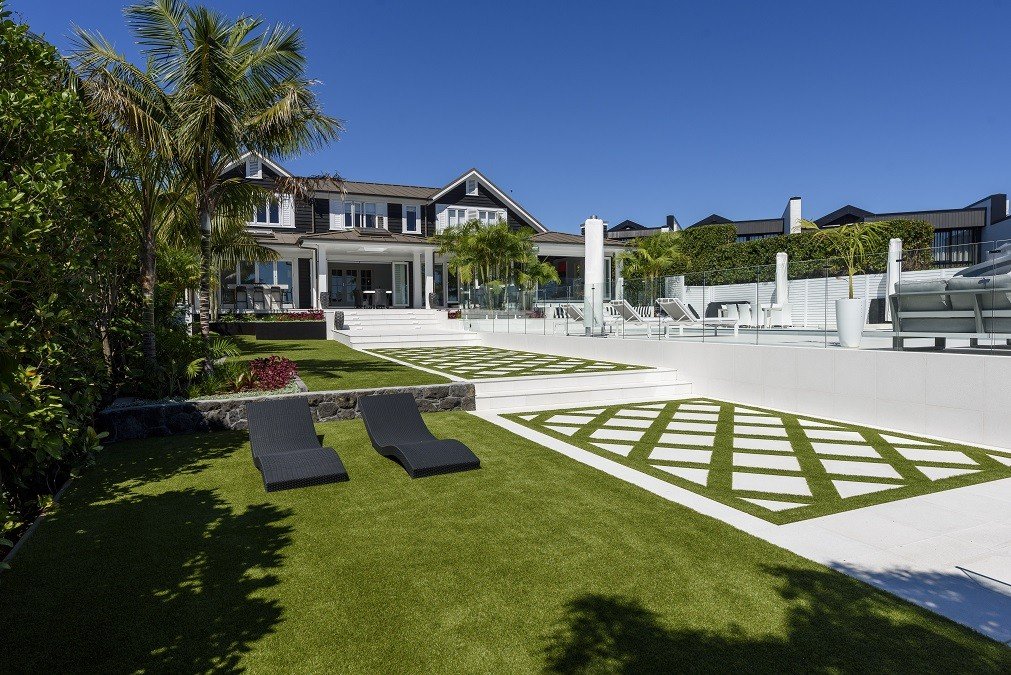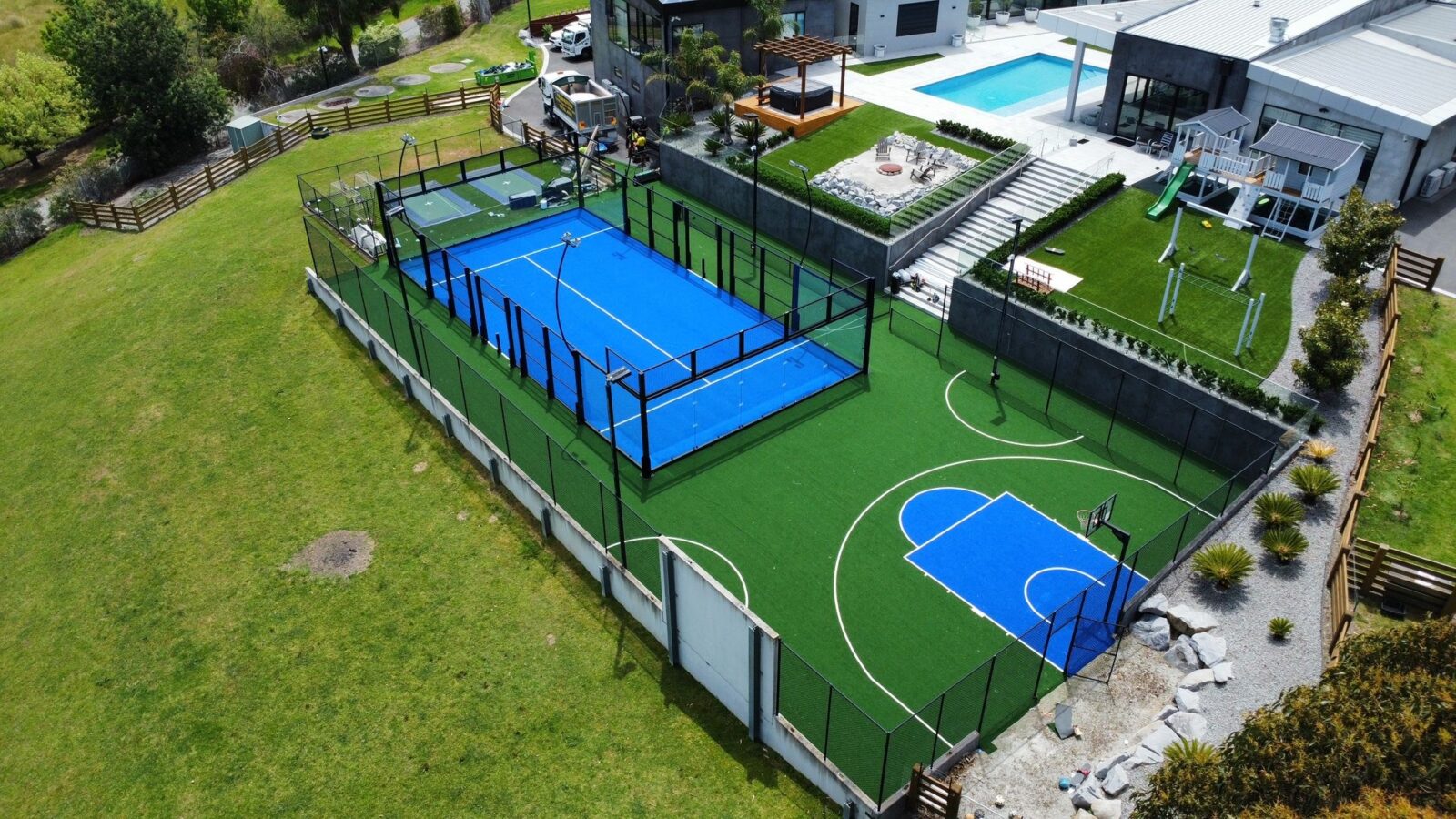
Artificial grass can be installed on many different surfaces, including soil, natural lawn areas, concrete, paving, tarmac, balconies and rooftop terraces. However, the success of the installation depends on more than the surface itself.
The area needs to be stable, level where required, properly drained and prepared to suit the way the space will be used. That is why professional installation is important, especially in sloped areas, on hard surfaces, or in spaces with drainage challenges.
With the right preparation and experienced synthetic grass installers, artificial grass can transform areas where natural lawns are difficult to grow, maintain, or access.
What surfaces can artificial grass be laid on?
Artificial grass is highly versatile and can be installed across a wide range of residential, commercial and recreational spaces.
Common surfaces include:
- Soil or compacted ground
- Existing lawn areas, once removed and prepared
- Concrete
- Paving
- Tarmac or asphalt
- Balconies
- Rooftop terraces
- Sloped areas
Each surface needs a different preparation method. For example, artificial grass installed over soil usually needs excavation, a compacted base and weed control. Artificial grass installed over concrete or paving may need surface cleaning, drainage checks and underlay for added comfort.
The aim is always the same, to create a smooth, secure and free-draining base that helps the lawn look natural and perform well over time.
Can artificial grass be installed over soil or natural lawns?
Yes, artificial grass is often installed in areas that were previously natural lawns. However, it should not be laid directly over existing grass or loose soil.
Natural turf, weeds and organic material should be removed first. The ground is then shaped and compacted before a suitable base is installed. This helps prevent sinking, uneven surfaces, poor drainage and movement underfoot.
This preparation is especially important for family backyards, pet areas and play spaces, where the surface needs to stay safe, even and comfortable through everyday use.
Can artificial grass be laid over concrete, paving or tarmac?
Artificial grass can also be installed over hard surfaces such as concrete, paving and tarmac. This makes it a practical choice for courtyards, patios, balconies, rooftop terraces and commercial outdoor areas where natural grass is not suitable.
Before installation, the surface should be checked for cracks, dips, drainage and stability. Water needs somewhere to go, so drainage is one of the most important considerations. If water sits beneath the turf, it can affect comfort, hygiene and long-term performance.
In some cases, an underlay may be recommended to improve softness and create a more comfortable finish. This is particularly useful for balconies, play areas and outdoor spaces used for sitting, walking or recreation.
Is artificial grass suitable for slopes, balconies and rooftops?
Yes, artificial grass can be used on slopes, balconies and rooftops, provided the installation method suits the space.
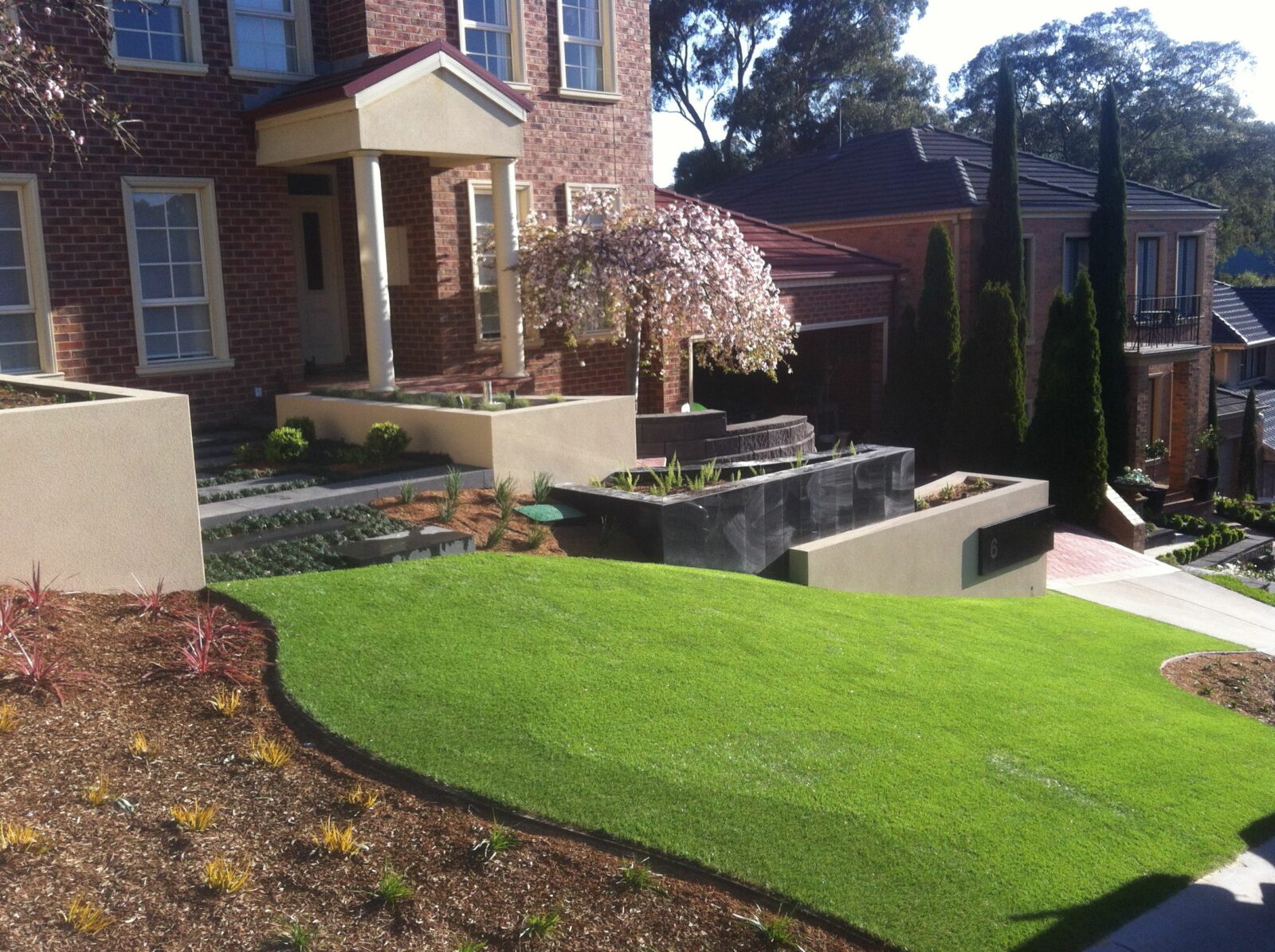
On sloped areas, artificial grass can reduce the need for mowing and help create a cleaner, more usable surface where natural lawns may struggle. However, the turf needs to be secured correctly to prevent movement, and joins should be planned carefully for a consistent finish.
For balconies and rooftops, drainage, weight and surface condition are key. These areas often require a tailored installation approach, particularly when water runoff, access, or building structure needs to be considered.
For the most natural result, artificial grass should generally be laid in the same direction across the area. This keeps the pile, colour and texture looking consistent from one section to the next.
Why preparation matters
Artificial grass may be flexible, but it is not a shortcut around proper groundwork. Poor preparation can lead to visible joins, lifting edges, uneven areas, drainage problems and premature wear.
Experienced synthetic grass installers understand how to prepare different surfaces and match the installation method to the site. They can assess whether the area needs excavation, compaction, drainage improvements, underlay or extra fixing before the turf is installed.
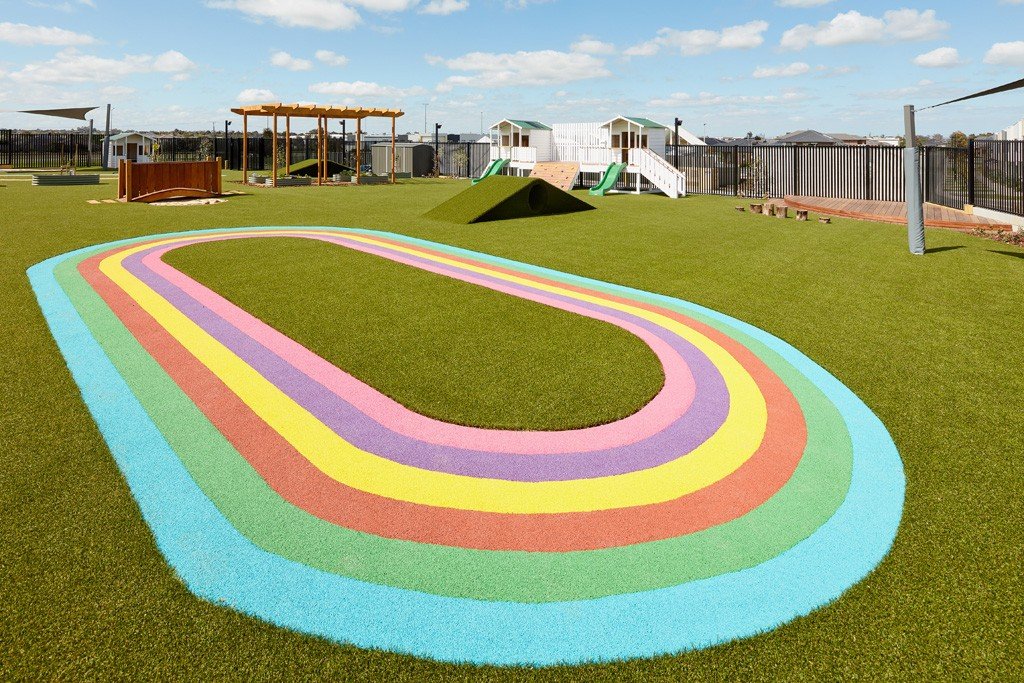
This makes a significant difference to how the finished lawn looks, feels and performs, especially in high-use areas such as backyards, schools, childcare centres, pet spaces and commercial landscapes.
Artificial grass for a wide range of spaces
So, can artificial grass be laid on any surface? In many cases, yes. Soil, concrete, paving, tarmac, slopes, balconies and rooftops can often be transformed with the right product and installation method.
The best results come from choosing artificial grass that suits the space, preparing the surface correctly and working with skilled synthetic grass installers who understand long-term performance.
SYNLawn’s Australian-made artificial grass is designed for real outdoor spaces, from homes and schools to commercial landscapes and recreational areas.
Contact us today to connect with your local SYNLawn supplier and find the right artificial grass solution for your project.