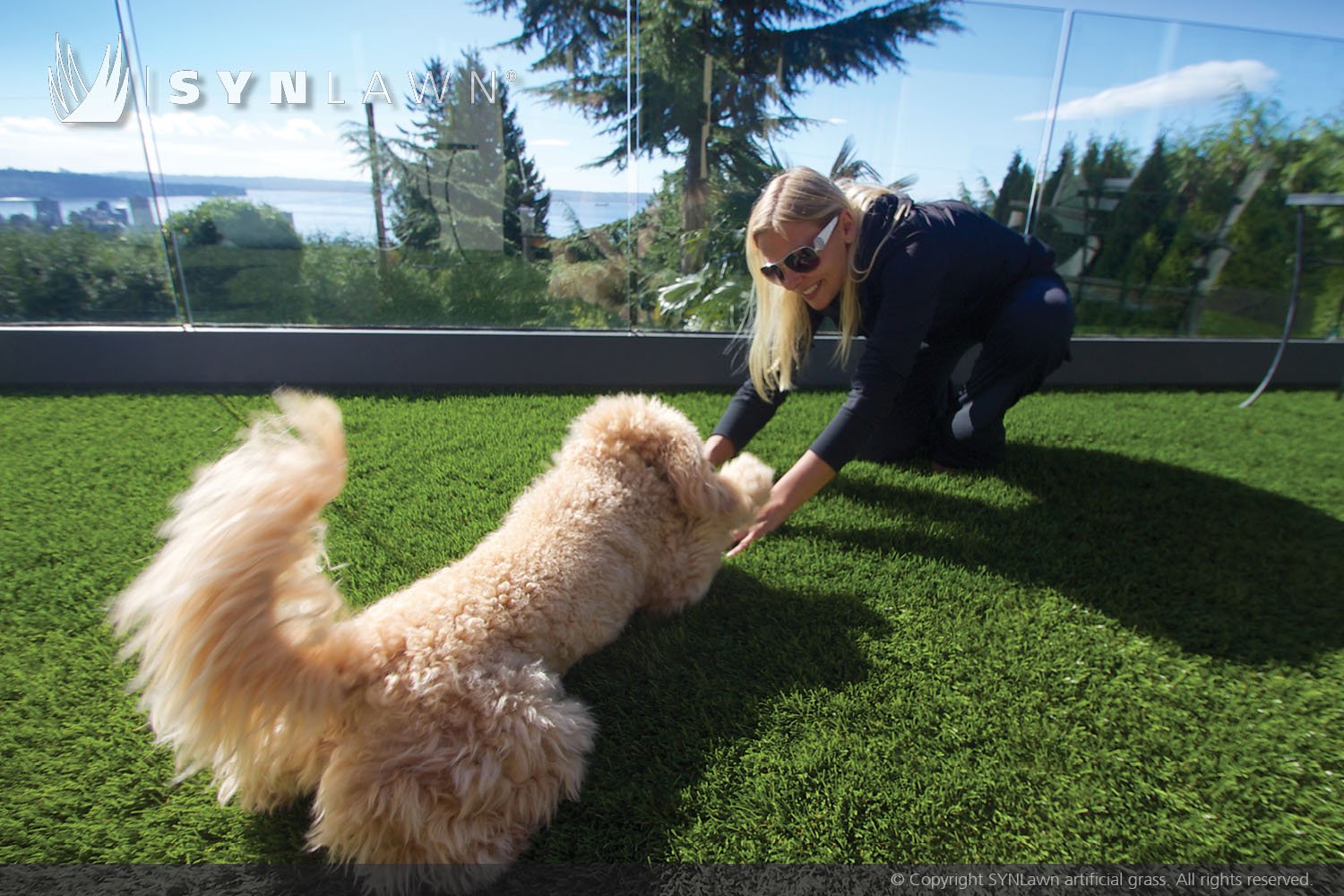
For many Australians, a lush green lawn is a backyard essential – whether it’s a space for pets, weekend barbies, or playing cricket with the kids. Keeping a natural lawn green all year round, however, comes at a cost, especially with water use and maintenance.
That’s where artificial grass steps in as a low-maintenance alternative, offering a consistently neat appearance with significantly less upkeep. As more people consider the switch, it’s worth exploring the environmental impact of synthetic grass compared to natural grass – and how the latest innovations are working to tip the balance in its favour.
How Can Artificial Grass Be More Environmentally Friendly?
Water Conservation
Water is a precious resource in Australia, and traditional lawns can be surprisingly thirsty. In fact, a natural grass lawn of just 100 square metres can soak up around 50,000 litres of water every year – per household.
That’s a significant drain on water supplies, especially during drought conditions or periods of water restrictions. Synthetic grass, by contrast, doesn’t need regular watering to stay green.
Some occasional hosing may still be needed to remove dust, clean areas used by pets or cool the surface during hot weather. Even so, its overall water use is generally much lower than an irrigated natural lawn, particularly in dry areas where grass needs frequent watering.
Maintenance Requirements
Mowing, fertilising, weeding – maintaining a natural lawn can be a time-consuming and resource-intensive task. Lawnmowers contribute to emissions, fertilisers can leach into waterways, and regular upkeep adds to your weekend to-do list.
Synthetic grass cuts down on most of that work. It still requires occasional brushing or hosing to stay clean, particularly in high-traffic or pet areas, but there’s no need for mowing, fertilising or regular chemical treatments.
This is useful in shaded, heavily used or drought-prone areas where natural grass struggles to remain healthy. Artificial turf also avoids the repeated repair of bare or muddy patches. You get a consistent result with far less effort and fewer environmental costs.
Managing Heat and Temperature
One downside often raised about fake grass is that it can get hot during summer.Natural grass tends to stay cooler, while synthetic surfaces can absorb and retain heat.This is most noticeable during consecutive days of very hot weather, particularly in exposed areas without shade. Trees, pergolas and surrounding planting help reduce heat build-up and make the space more comfortable.
The type of artificial grass also makes a difference. Products featuring SYNLawn’s COOLplus Technology use infrared-reflective pigments within the turf fibres to slow heat build-up and reduce surface temperatures by up to 20% compared with standard synthetic grass.
Artificial grass will still warm in direct sunlight. But heat-reducing technology and thoughtful landscaping make the surface more comfortable underfoot and help reduce the urban heat island effects in built up areas.
Biodiversity and Ecological Impact
Natural grass obviously offers ecological benefits – it supports microfauna, promotes soil health, and helps cool the air through natural evapotranspiration.
Synthetic grass can’t replicate that biodiversity; however, it also doesn’t rely on fertilisers, pesticides, or herbicides, all of which can harm ecosystems and pollute waterways. It’s a trade-off, and one where the overall footprint depends on how each surface is maintained.
Sustainable Production and Innovation
Manufacturing synthetic turf requires energy and materials – that’s why innovation in this space is important.
Some newer artificial grass products use renewable materials to reduce their reliance on conventional fossil-fuel-based inputs. SYNLawn’s Classic GT, for example, is made with 60% renewable resources and developed with the same green technology used for Olympic-grade hockey fields.
Efforts to reduce energy use and increase renewable electricity across manufacturing operations are also improving how synthetic turf is produced. Combined with more durable products that remain in use for longer, these developments are making lower-impact options more accessible to Australians.
Classic GT is one example of how material selection, product performance and manufacturing improvements can work together to support more environmentally conscious landscaping.
What Happens to Artificial Turf at the End of Its Life?
End-of-life disposal remains one of the main environmental challenges associated with synthetic turf. If it cannot be recovered or recycled, the product may eventually be sent to landfill.
SYNLawn supports end-of-life turf recycling through Sport Group’s founding partnership with RE4ORM™ Recycling, Australia’s first dedicated synthetic turf recycling solution. At its purpose-built facility in Barnawartha, Victoria, end-of-life turf is processed so materials such as sand, rubber and plastics can be recovered and reused rather than discarded.
Is Artificial Grass the Right Choice for Your Project?
Choosing between natural and synthetic grass is not just about appearance. The most suitable option depends on your local climate, how the area will be used and the amount of water and maintenance natural grass would require.
Artificial grass may suit areas where:
- Natural lawn requires frequent irrigation
- Heavy foot traffic creates worn or muddy patches
- Shade or poor soil makes grass difficult to establish
- Regular chemical treatments are needed
- A durable, low-maintenance surface will remain in place for many years
A Smarter Way to Stay Green
Choosing between natural and synthetic grass isn’t just about looks – it’s about how your choice aligns with your lifestyle, local climate, and values.
While synthetic grass may not offer the biodiversity of natural turf, it makes up for it with water savings, reduced maintenance, and new technologies that are pushing for more sustainable production methods.
With innovations like COOLplus and renewable materials in products like Classic GT, the future of synthetic grass is looking greener in more ways than one.
Contact SYNLawn to discuss your project and connect with a professional installer who can help you choose the right artificial grass for your space.